
Mauritius is often seen as a tropical paradise with its turquoise lagoons and ivory beaches, but the island's true essence lies beyond the luxury resorts. While public transport and taxis are available, renting a car grants you the freedom to chase sunrises at Le Morne, explore hidden areas of the Black River Gorges, and reach coastal paths inaccessible by bus.
However, driving in Mauritius can be challenging for tourists. While motorways connecting major areas are well-maintained, rural roads can be narrow and winding. To safely navigate the island, it's crucial to understand the local rules, road hazards, and security risks. This guide aims to prepare you with the knowledge needed to drive around the island with ease and confidence.
Before you get behind the wheel, you need to secure the requirements. Most tourists can drive in Mauritius using their valid national driving licence for up to four weeks. If your licence is not in English or French, it is highly recommended that you carry an International Driving Permit (IDP) alongside your original licence. Additionally, you must always have your passport and the vehicle’s rental agreement within reach. If you are stopped at a routine police checkpoint, these are the documents the officers will request first.
Mauritius drives on the left-hand side of the road, which means the steering wheel in your car will be on the right, and the gear stick will be to your left. If you are from a country that drives on the right, this will require mental focus, particularly when turning at intersections or entering roundabouts. A helpful tip for those unaccustomed to this layout is to always ensure the driver is positioned towards the centre of the road, rather than the curb.
Speed limits in Mauritius are strictly enforced through an extensive network of fixed and mobile speed cameras. In urban areas and bustling villages, the limit is typically 40 km/h or 60 km/h, depending on pedestrian density. On rural main roads, the limit generally fluctuates between 60 km/h and 80 km/h. Meanwhile, the motorway allows for speeds up to 110 km/h.
It is vital to watch for signs on the road, as limits can change abruptly when entering a residential zone or shifting from city to rural areas. Fines for speeding are significant and can often be processed through your rental agency, leading to unexpected charges on your credit card after you return home.
The law requires every occupant of the vehicle to wear a seat belt at all times, regardless of whether you are sitting in the front or the back. Furthermore, using a handheld mobile phone while driving is strictly prohibited. If you need to use your phone for navigation, ensure it is mounted in a dashboard holder. Distracted driving is a leading cause of accidents on the island, and the police are vigilant in penalising those who violate these safety regulations.
Mauritius also maintains a very strict policy on drunk driving. The legal blood alcohol limit is 50 mg per 100 ml of blood, which is lower than in many other parts of the world. This means even a single glass of wine or a tropical cocktail could put you over the limit. The police frequently conduct breathalyser tests, especially during holidays and on weekends. To stay safe and avoid penalties, ensure that the designated driver doesn’t consume any alcohol.
In many Mauritian villages, the road serves as a multi-purpose space. You will frequently encounter pedestrians, including schoolchildren and the elderly, walking along the edge of the tarmac because sidewalks are often narrow or non-existent. Cyclists and motorcyclists are also prevalent and may occasionally weave through traffic or change lanes without signalling. It is important to give these vulnerable road users enough space and to reduce your speed significantly when passing through densely populated village centres.
Another unpredictable hazard on Mauritian roads is the stray animals. Dogs roam around both rural and urban streets. In agricultural inland areas, you may also encounter cows or goats being moved across or along the road. These animals can appear suddenly from behind sugar cane fields, so maintaining a moderate speed is essential for providing enough braking distance.
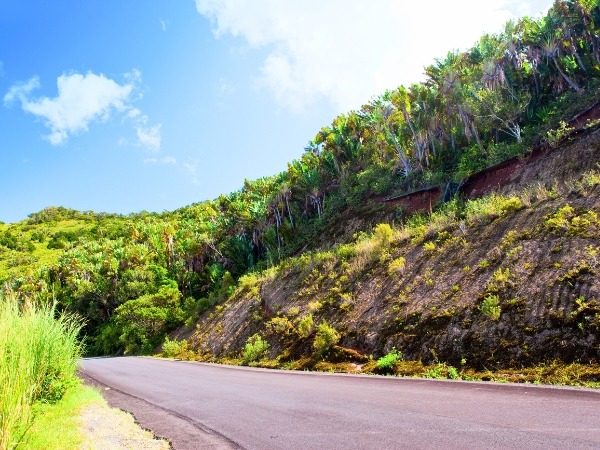
While the main roads are in good condition, many secondary roads are narrow and lack guardrails. A specific feature to watch out for is the caniveau, a deep concrete drainage ditch that runs alongside many roads to manage heavy tropical rainfall. If a wheel slips into one of these, it usually requires a tow truck to remove it. Furthermore, when driving in the mountains, be prepared for sharp "S" curves and steep inclines. Always check your brakes and use a lower gear when descending to prevent overheating.
The tropical climate of Mauritius can bring sudden, intense downpours that significantly reduce visibility and make the roads slippery. During the cyclone season, which runs from November to May, flash flooding can occur in low-lying areas. If you encounter a road that is flooded, do not attempt to drive through it, as the depth can be deceptive and the current surprisingly strong. If visibility becomes too poor during a storm, find a safe place to pull over and wait for the rain to subside.
While Mauritius is generally a very safe destination for tourists, opportunistic theft on vehicles does occur, particularly at popular tourist sites. When you park at public beaches, hiking trailheads, or scenic viewpoints, never leave valuables such as cameras, smartphones, or wallets visible on the seats or dashboard. Place all bags in the boot before you arrive at your destination so that onlookers do not see you hiding them.
Parking can also be a challenge. In busy areas like Port Louis or Grand Baie, you may encounter unofficial parking attendants who offer to watch your car for a small fee. While this is not a formal service, many locals and tourists choose to give a small tip to maintain goodwill. However, always prioritise using official, well-lit parking garages or designated parking zones where available to ensure the highest level of security for your rental vehicle.
Driving at night in Mauritius presents several risks. Outside of the major towns and the motorway, street lighting can be sparse or non-existent. This makes it difficult to spot pedestrians, unlit bicycles, or stray animals. Furthermore, some local drivers may not use their headlights correctly or might fail to dim their high beams for oncoming traffic. Always aim to complete your day trips before sunset and avoid driving after dark unless necessary.
If you are involved in a minor collision where no one is injured, and the vehicle damage is slight, you should complete the "Agreed Statement of Facts" document. All rental cars are equipped with this yellow form. Both parties must agree on the details, including a sketch of the incident and points of impact, before signing. This avoids the need for a police presence for minor fender-benders.
Another protocol followed in Mauritius is the "Chalk Rule". Historically, and still practised by many, drivers are encouraged to carry a piece of chalk to mark the positions of the tyres on the road before moving the vehicles to the side to clear traffic. This allows the police or insurance companies to see exactly where the impact occurred.
In the event of a more serious accident involving severe personal injury or vehicle damage, you must call the emergency hotline immediately at 999. For police assistance, dial 112, for medical emergencies requiring an ambulance, dial 114, and for fire services, dial 115. You are legally required to remain at the scene of an accident until the police arrive. If you feel physically threatened by a crowd forming at the scene, the law permits you to drive directly to the nearest police station to report the incident.
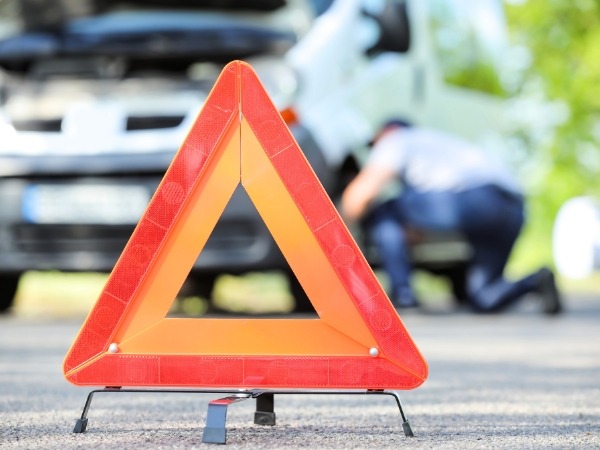
If your car suffers a mechanical failure, move it as far off the road as possible and activate your hazard lights. It is mandatory to place a red warning triangle at a safe distance behind the vehicle to alert other drivers. Most reputable rental agencies provide 24-hour roadside assistance. Ensure you have their contact number saved in your phone or written down in the glove box before you begin your journey. Do not attempt major repairs yourself on the side of a busy road.
Mastering the roads of Mauritius is a challenge that rewards tourists with spontaneous discovery. The freedom to explore the vibrant markets of the north, the tea plantations of the highlands, and the rugged cliffs of the south is an essential part of the Mauritian experience. This article provides the guidelines, but the memories you create will be entirely your own.
Driving defensively and with patience is the key to navigating the island's unique "tropical flow". By respecting the local regulations, staying vigilant for pedestrians and stray animals, and following security protocols, you can ensure that your driving adventure is both safe and enjoyable.
Don't let the resort gates limit your vacation! Rent your vehicle from Final Rentals today, bookmark this guide for easy reference, and set off with the confidence to explore every corner of Mauritius safely and at your own pace. Discover the hidden gems of the island with the peace of mind that comes from being a prepared and responsible driver.