Finalrentals Blog

Published in Explore Category.
Nestled along the wild southern coast of Mauritius, Pont Naturel is one of the island's most breathtaking geological wonders. Unlike the calm, turquoise lagoons that border the northern and western resort strips, this remote haven reveals the raw, untamed force of the Indian Ocean.
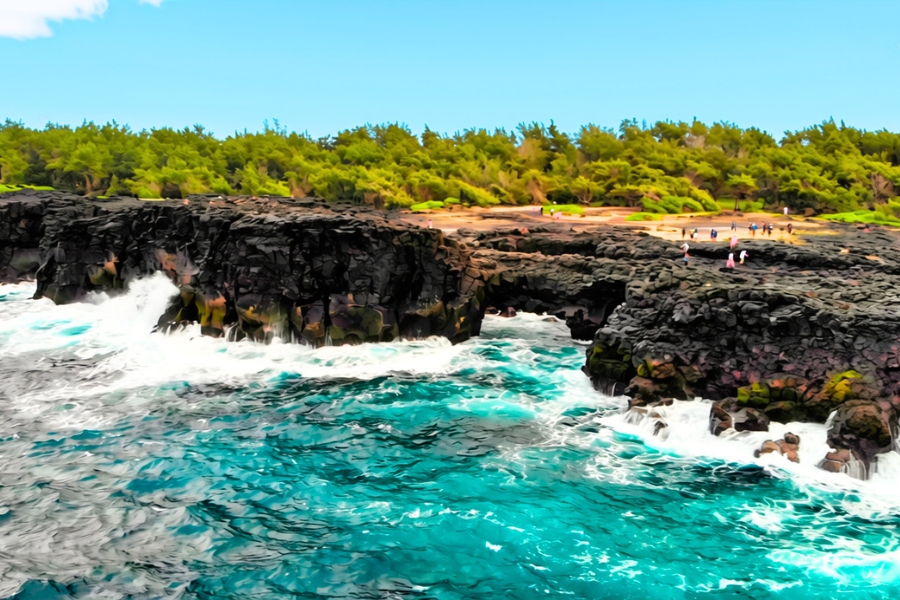
Pont Naturel, which translates to "Natural Bridge", is a magnificent archway carved out of volcanic rock over thousands of years by the relentless pounding of the sea. Spanning roughly twenty metres, this basalt bridge offers a striking contrast between dark, jagged rocks and the vibrant azure swells that crash violently beneath it.
For travellers seeking extraordinary landscapes far removed from typical tourist haunts, a journey to this rugged spot is a necessity. The site remains largely undeveloped, meaning there are no commercial barriers, grand entrance gates, or man-made observation decks to obstruct the view.
Instead, visitors are greeted by open coastal plains, towering spray from exploding ocean waves, and the deep, rhythmic sounds of water rushing through hollows in the cliffside. Experiencing this dramatic natural spectacle requires a bit of planning, and getting behind the wheel is by far the most rewarding way to make the trip.
Why You Need a Car to Visit Pont Naturel
Pont Naturel is tucked away from major highways and luxury resort strips, hidden behind a charming local village and vast sugar cane fields. Because of its remote location, public transport options simply do not exist for the final leg of the journey. Local buses stick to paved roads and do not venture down the rough dirt tracks leading toward this volcanic wonder. Relying on taxis can also be challenging. While a local driver might agree to take you to this location, it can be quite expensive and finding a ride home will be difficult.
Choosing to drive to Pont Naturel in a rental car is the best option, giving you the freedom and flexibility to set your own pace. You can stop at local shops, linger as long as you like at scenic viewpoints, and seamlessly combine your excursion with nearby southern gems such as Le Souffleur, Gris Gris, or Rochester Falls.

A Step-by-Step Trip Guide to Pont Naturel
Step 1: Begin Your Expedition to L'Escalier
Start your journey by taking the main island highways from your accommodation toward the southern region. Aim for the quiet village of L'Escalier, which serves as the urban gateway to Pont Naturel. If you are travelling from the airport or the east coast, follow the B8 road directly into the heart of the village.
Step 2: Drive from L'Escalier to Le Chaland
Once inside L'Escalier, follow local road signage leading toward Le Chaland or the southern coast. Drive past local houses and small village shops along the paved road. Ensure you reset your trip meter or double-check your map here, as this is the final stretch of asphalt road before turning toward the rugged sugar cane fields.
Step 3: Turn Right to the Sugar Cane Fields
As you leave the houses and shops behind, carefully turn onto the unpaved dirt path to your right, heading toward the coast through sprawling sugar cane fields. In this agricultural track, the road surface changes immediately from smooth tarmac to gravel, earth, and exposed volcanic rock.
Step 4: Navigate the Sugar Cane Plantation
Proceed along the main dirt track at a cautious speed of around 10 km/h to 15 km/h and follow the vehicle paths winding through the tall sugar cane stalks. Stay on the primary road and avoid turning onto smaller side tracks used strictly for field harvesting. Keep an eye out for small stone markers or informal painted signs on rocks indicating the direction toward the ocean.
Step 5: Locate the Designated Parking Area
As you approach the end of the sugar cane fields, the tall vegetation clears to open up into a wide, grassy coastal plateau. Drive across the rocky open space toward the sound of crashing ocean waves. Park your vehicle safely on the level ground, ensuring you position it away from soft earth or steep drop-offs. From here, switch off your engine and proceed on foot for the short walk to the cliffside bridge.
The Unique Natural Gems of Pont Naturel
Upon arrival, the landscape dramatically reveals sweeping ocean views and the iconic Natural Rock Bridge. Walking toward the cliff edge, the majestic stone arch spans the churning waters of the Indian Ocean below, showcasing the incredible sculpting power of natural erosion.
Surrounding the arch are several marine blowholes known as Le Souffler or Whistling Blowholes. As massive swells hit the cliff face, seawater is forced at high pressure through narrow fissures in the basalt, creating towering plumes of ocean spray accompanied by a distinctive whistling sound.
Furthermore, the wild southern coast provides picture-perfect landscapes. The stark contrast between black volcanic stone, white sea foam, and deep blue ocean creates magnificent compositions from every angle. You can take leisurely walks along the rocky plateau to take photographs and admire the surrounding coastal cliffs stretching toward the horizon.

Essential Tips for Your Pont Naturel Drive
Choose the Ideal Car
To drive to Pont Naturel safely, it is essential to choose the right rental car for the route. While the main routes are paved, the agricultural tracks running through the sugar cane plantations are laden with loose gravel, deep ruts, and sharp volcanic stones. While a standard sedan or hatchback can navigate these unpaved roads with an experienced driver, it is highly recommended to rent a high-clearance SUV or a 4x4 vehicle to traverse the terrain without worrying about scraping the undercarriage or getting stuck.
Find the Right Timing
Always plan your journey during daylight hours, ideally setting off in the morning or early afternoon. The tracks are completely unlit, and there are hazards along the way, making navigation after dark treacherous. Furthermore, try to plan your visit during dry spells, as heavy rain can transform the dirt paths into slippery mud pits.
Use a Navigation App
Navigating through dense sugar cane fields can feel like traversing a labyrinth, as many of the dirt paths look identical. Reliable mobile applications will accurately guide you through key turnings near L'Escalier. Because network coverage tends to drop along this isolated stretch of coast, downloading offline maps before setting off is essential.
Traverse with Caution
When navigating the unpaved tracks, keep your speed low and drive with extra caution. Potholes can appear suddenly, and overgrown sugar cane can obstruct your line of sight at track intersections. Drive gently over protruding rocks to avoid damaging your tyres, and keep a respectable distance from track edges. Additionally, be mindful of local agricultural machinery, such as tractors and haulage trucks, which frequently use these routes during harvesting season. Always yield the right-of-way to larger vehicles and pull over safely to the side when space permits.
Safety Guidelines for Visiting Pont Naturel
Prohibited Water Activities
Swimming, diving, or wading near the rocky edges is strictly prohibited at all times. The sea along this southern stretch of the island is notoriously wild and unpredictable. Unlike the calm lagoons protected by outer reefs elsewhere on the island, Pont Naturel faces the full force of open ocean swells. Strong undercurrents, powerful undertows, and sudden rogue waves make entering the water extremely hazardous.
Terrain and Surface Safety
The basalt rock formation around Pont Naturel is jagged, uneven, and often slick from salt spray and ocean mist. Wear sturdy, non-slip footwear rather than open sandals or flip-flops when exploring the area. Keep a safe distance from wet or darkened rock surfaces, as these indicate areas frequently submerged or struck by crashing waves. Strong gusts of wind can sweep across the open plateau unexpectedly, so maintain firm footing, stay away from steep drop-offs, and closely supervise children throughout your visit.

Frequently Asked Questions about Pont Naturel
Is it safe to drive to Pont Naturel after dark? Driving through the unpaved tracks along the route after dark is not recommended due to the lack of street lighting and clear road markings. You should schedule your trip during daylight hours to navigate the uneven terrain safely and return to the main road before dusk.
Is the mobile signal reliable in Pont Naturel? Mobile signal can drop off once you move away from the main roads near L'Escalier. Downloading offline maps onto your smartphone before setting off ensures uninterrupted navigation through the unpaved plantation tracks, even if there’s no signal.
Is a standard car suitable for the drive to Pont Naturel? A small hatchback or sedan can safely reach the site if the sugar cane field tracks are dry and you drive slowly. However, booking a high-clearance SUV or 4x4 vehicle is strongly advised to prevent scraping the undercarriage on loose volcanic stones.
How long does the drive take from major tourist areas? The drive takes approximately twenty to thirty minutes from the airport or Mahebourg. Meanwhile, from major resort areas like Flic en Flac or Grand Baie, expect a journey time of around one to one and a half hours each way.
Secure a Rental Vehicle to Explore Pont Naturel
A journey to Pont Naturel unveils a side of Mauritius that many tourists miss out on. Standing atop the coastal cliffs while watching the powerful waves shape the volcanic shores provides a glimpse into the island's raw geological beauty. Navigating the sugar cane tracks adds a sense of adventure to your route, making your arrival at the ocean arch even more satisfying.
To reach this incredible destination, renting a car in Mauritius is essential. Having your own set of wheels grants you the freedom to drive to Pont Naturel safely, stop for photos whenever inspiration strikes, and explore the rest of the captivating southern coastline. So, book your rental vehicle today and prepare for an unforgettable Mauritian road trip.